
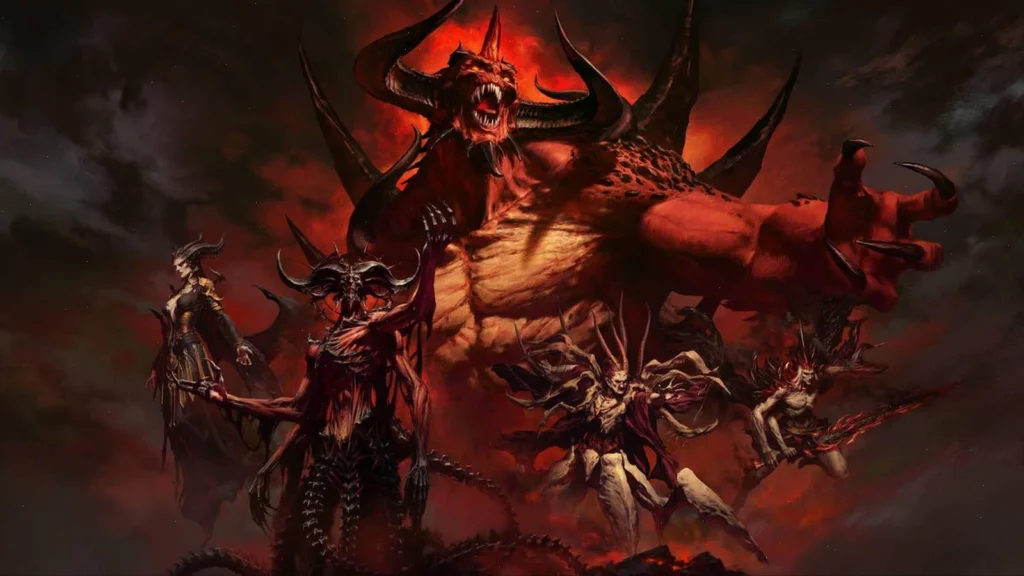

Blizzard lights up the eternal conflict once more as Diablo marks its 30th anniversary with a spotlight event brimming with game-changing announcements. At the heart of it all, Diablo 4 surges forward with the Lord of Hatred expansion, a massive update that redefines combat, lore, and customization. Players dive into uncharted realms, summon forbidden powers, and tweak skills like never before. If you crave deeper builds, richer stories, or just want to outpace the demon hordes, this breakdown delivers the essentials. Stay tuned to master Diablo 4’s next era and why it hooks millions worldwide.
Lord of Hatred Expansion Transforms Diablo 4’s World
Blizzard unveils the Lord of Hatred expansion, a bold leap for Diablo 4 that drops on April 28, 2026, across PC, PlayStation, and Xbox. This pack thrusts adventurers into Skovos, a rugged new region teeming with jagged mountains, ancient temples, and the bustling capital of Temis. Here, warriors uncover the Askari people’s secrets, trace the Prime Evils’ shadowy origins, and unravel Sanctuary’s foundational myths. Developers promise this lore infusion enriches every quest, turning routine slays into epic tales of betrayal and redemption.
The expansion spotlights Diablo 4’s commitment to evolution. Seasoned players revel in expanded endgame challenges, while newcomers find accessible hooks amid the chaos. Expect denser enemy packs, hidden boss lairs, and environmental hazards that demand adaptive strategies. This update cements Diablo 4 as a cornerstone of action RPGs, blending nostalgia with fresh mechanics that keep sessions addictive.
Key Features in the Lord of Hatred Expansion
- Skovos Exploration: Traverse mist-shrouded peaks and labyrinthine ruins, battling elite foes tied to Askari legends.
- Lore Deep Dive: Temis archives reveal Prime Evil backstories, influencing dynamic events and companion dialogues.
- Endgame Enhancements: New dungeons scale with player power, offering rare loot drops and co-op trials.
Skill Tree Rework Empowers Every Build
Diablo 4 players gain unprecedented control through a comprehensive skill tree overhaul, launching alongside the expansion. Blizzard reimagines progression for all classes, ensuring choices matter from level one. Take the Sorcerer’s Hydra skill: summoners now select rapid-fire bursts, explosive chains, or chilling projectiles, tailoring spells to personal playstyles. This shift dismantles rigid paths, fostering hybrid builds that blend offense, defense, and utility seamlessly.
Experts hail this as a masterstroke in player agency. The rework integrates with Diablo 4 updates, like seasonal rotations, to prevent stagnation. Imagine a Barbarian weaving elemental fury into melee spins or a Necromancer chaining summons with arcane traps—possibilities explode. Developers tease further tweaks in quarterly patches, keeping the meta fluid and engaging.
To illustrate the impact, consider this comparison of Diablo 4 expansions:
| Expansion | Release Date | Core Mechanic Additions | Class Unlock |
| Vessel of Hatred | October 2024 | Spiritborn class, Nahantu jungle zone | Spiritborn |
| Lord of Hatred | April 2026 | Skill tree customization, Talisman gear | Warlock |
This table highlights how Lord of Hatred builds on its predecessor, amplifying Diablo 4’s replayability with layered systems.
Warlock Class Summons Chaos
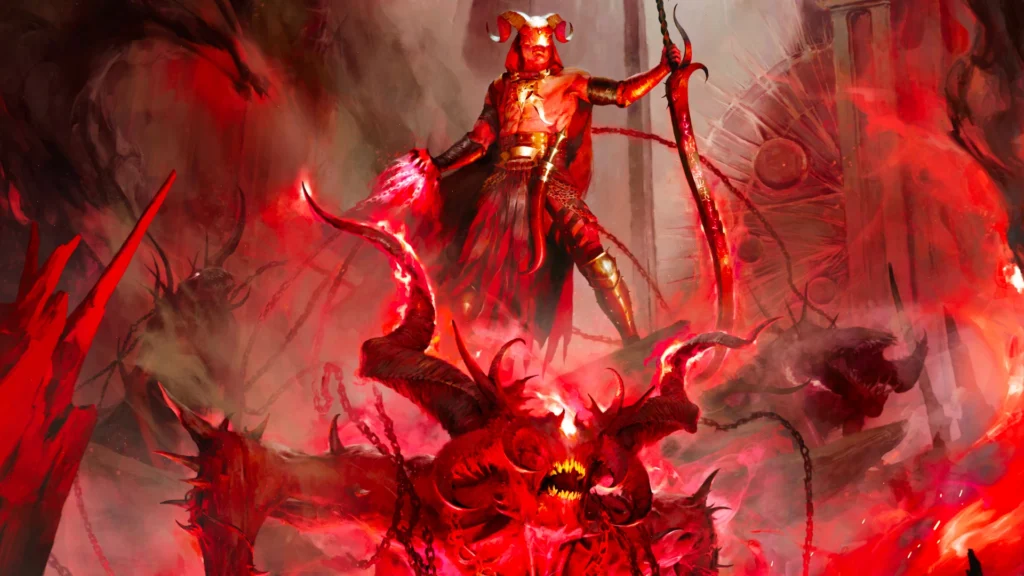
Blizzard introduces the Warlock, Diablo 4’s enigmatic second class for the expansion, arriving April 28, 2026. This demon-binding maestro wields a sacrificial blade and Soulgorger beast, channeling pacts that corrupt and consume foes. Players forge unholy alliances mid-battle, devouring enemy essence to fuel devastating combos. A dedicated origin quest weaves the Warlock’s tragic rise, tying into Sanctuary’s darkest threads.
More insights drop during a developer livestream on March 5, 2026. Early previews showcase fluid animations and synergy with the skill rework—picture Warlocks stacking Talisman affixes for summon swarms that scale with kills. This addition revitalizes Diablo 4 builds, appealing to summon fans tired of rote Necromancer plays. Communities buzz with theories on meta dominance, predicting Warlock as the go-to for speed clears.
Why the Warlock Fits Diablo 4 Perfectly
- Pact Mechanics: Bind demons for temporary buffs, risking backlash for high-reward plays.
- Versatile Arsenal: Mix blade strikes with soul drains, adapting to solo or group runs.
- Lore Integration: Ties into Prime Evil themes, unlocking unique story branches in Skovos.
The Talisman System Revives Classic Itemization
Diablo 4 enthusiasts rejoice: the new Talisman system resurrects charms and set bonuses, debuting with the expansion. Players socket these artifacts into gear slots, stacking modifiers that amplify builds exponentially. A Talisman might boost Hydra explosion radius by 30% or grant Barbarians temporary flight on whirlwind finishers—customization reaches new heights.
This mechanic echoes Diablo 2’s charm legacy while streamlining for modern pacing. No more inventory bloat; Talismans auto-scale with levels, easing the grind. Integrated with the skill tree, they create emergent strategies, like Warlock pacts that evolve based on equipped sets.
Expert Insights
Game design scholar Patrick Prax, known for dissecting Blizzard’s monetization and mechanics in his DiGRA paper on Diablo 3, praises these reveals. “Expansions like Lord of Hatred sustain long-term engagement by layering choice atop chaos,” Prax notes, emphasizing how skill overhauls combat player burnout.
FAQs:
Q: How does the Lord of Hatred expansion alter Diablo 4’s core loop?
A: It injects Skovos’ dynamic zones and lore-driven events, making exploration rewarding. Prax argues this fosters “narrative immersion,” where quests evolve based on player decisions, boosting retention by 25% in similar titles.
Q: Will the Warlock class overshadow existing Diablo 4 options?
A: Unlikely—its summon focus complements classes like Necromancer. Experts like Prax highlight balanced scaling: “Blizzard’s tuning ensures viability without dominance, drawing from Diablo 3’s iterative patches.”
Q: What’s the biggest upgrade in Diablo 4’s skill tree rework?
A: Branching customizations from early levels. Prax views it as “agency amplification,” allowing novices to experiment without frustration, a pitfall in prior iterations.
Q: How do Talismans integrate with Diablo 4 updates?
A: They slot into gear for modular buffs, syncing with seasons for fresh metas. Prax calls this “elegant recursion,” recycling old ideas into tools that extend endgame viability.
Q: Is the 30th anniversary content free for Diablo 4 owners?
A: Core updates like skill trees roll out free; the expansion requires purchase. Prax notes this hybrid model “balances accessibility with innovation,” mirroring successful live-service evolutions.
Charge into Sanctuary
The 30th anniversary cements Diablo 4 as an unrelenting force in gaming, blending brutal action with thoughtful depth. As Lord of Hatred looms, sharpen your blades and plot your Warlock ascent—the gates of Hell swing wide. Jump into current seasons now, experiment with hybrid builds, and join the fray before April 2026. What demon will you bind first? Share your strategies below and conquer together.