
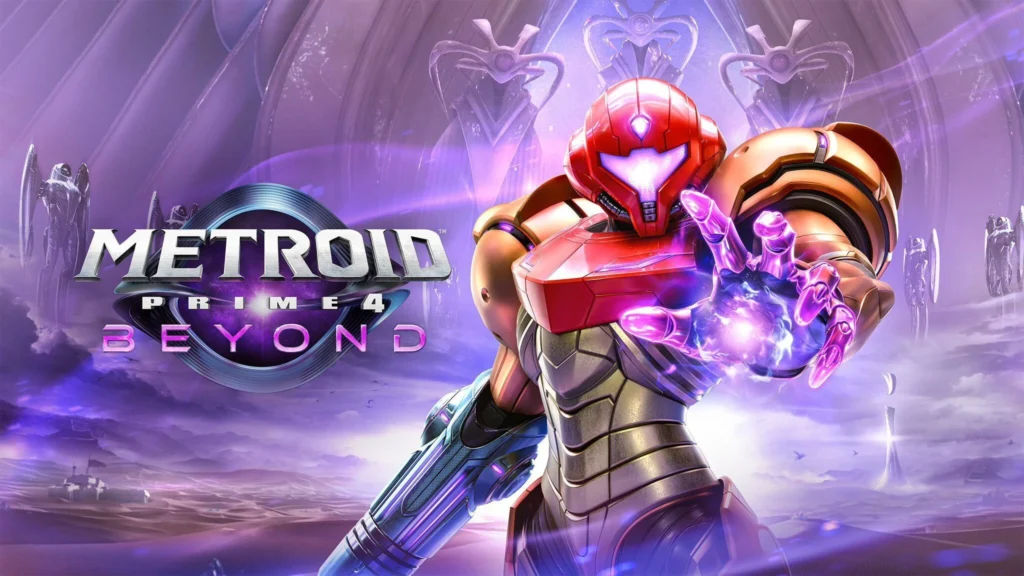

Metroid Prime 4: Beyond finally arrives after an 18-year wait since Prime 3, and Samus Aran storms back with style. Retro Studios refines the iconic first-person adventure formula while adding psychic powers, elemental beams, and a mysterious new planet called Viewros. Players dive into tense exploration, satisfying combat, and some of the best boss fights in the series. This sequel nails the lonely, atmospheric vibe that made the originals legendary, all while running beautifully on Nintendo Switch 2. If you crave immersive sci-fi action and intelligent level design, Metroid Prime 4: Beyond delivers one of 2025’s standout experiences.
Why Metroid Prime 4: Beyond Feels Like Classic Prime – But Better
Retro Studios clearly studied what made the GameCube original unforgettable. Metroid Prime 4: Beyond brings back that perfect mix of isolation, discovery, and “aha!” moments when a new upgrade opens half the map. Samus moves with incredible fluidity – dodges feel snappy, Morph Ball transitions happen instantly, and switching visors or beams takes no time at all.
The new psychic abilities add genuine excitement. Samus lifts objects telekinetically, yanks shields from enemies, and redirects charged shots mid-air. These powers integrate naturally into puzzles and combat without ever feeling gimmicky. Elemental beams change the look of her arm cannon and open fresh ways to tackle enemies – the ice beam freezes foes solid, while the plasma beam melts through armor in spectacular fashion. Boss fights rank among the series’ absolute best: massive set-piece battles mix pattern learning, quick movement, and clever use of every tool in your arsenal.
Nintendo Switch 2 performance shines brightly. The game locks at 4K 60fps in quality mode or pushes 120fps in performance mode, with zero slowdown even during huge explosions or particle-heavy psychic sequences. Lighting, reflections, and environmental detail look jaw-dropping – rain streaks across Samus’s visor, heat haze distorts distant landscapes, and ancient ruins glow with eerie bioluminescence. This is easily the best-looking Nintendo game ever made.
Exploration and World Design in Metroid Prime 4: Beyond
The structure evolves smartly. Instead of one massive interconnected world, players explore large, self-contained biomes linked by Sol Valley, a vast desert hub. The biomes themselves deliver pure Prime magic – intricate gothic factories, frozen research stations dripping with atmosphere, lush overgrown temples, and horrifying bio-organic nests. Each area shifts tone dramatically, keeping the 15–18 hour campaign fresh.
Sol Valley draws the biggest criticism. The open desert feels empty compared to the dense, secret-packed zones fans expect. Traversing it on the new motorcycle works well mechanically, but collecting energy crystals for the main story often turns into repetitive busywork. Thankfully, the incredible biomes make up for it – most players spend over half the game in beautiful, lonely isolation, exactly where Metroid thrives.
Companions add welcome personality and occasional humor (the engineer who fanboys over the Morph Ball is genuinely charming), but they talk too much at times. You can’t fully silence radio hints, which breaks immersion during tough sections. Still, the voice acting and facial animations mark a huge step forward for Nintendo – Samus herself remains silent and badass as ever.
| Aspect | Metroid Prime 4: Beyond | Metroid Prime Remastered | Difference |
| Visual Fidelity | Native 4K + stunning lighting | 1080p upscaled | Night-and-day better |
| Combat Feel | Faster, more aggressive | Classic, deliberate | Beyond feels modern and responsive |
| New Powers | Psychic abilities + elemental beams | Classic beams only | Much more variety |
| World Structure | Hub + large self-contained biomes | Fully interconnected | Different philosophy, both valid |
| Boss Quality | Series high point | Excellent | Beyond edges it out |
| Length | 15–18 hours | 12–14 hours | Slightly longer, more content |
Frequently Asked Questions
Is Metroid Prime 4: Beyond the best-playing Metroid ever made?
Yes – the core loop of scan, explore, upgrade, and conquer feels perfect on Switch 2 controls. Dual-stick with gyro or the new mouse mode (using Joy-Con 2 as a mouse) both work brilliantly.
How hard is the game?
Normal difficulty strikes the sweet spot. Combat demands skill, especially boss fights, but never feels unfair. Veteran players can switch to Hard mode immediately for the authentic Prime challenge.
Do I need to play the previous Prime games first?
No. Metroid Prime 4: Beyond serves as an excellent entry point. The story stands alone, and the map system now marks collectibles after you beat the game, making 100% runs much friendlier.
Is the desert hub really that bad?
It’s the weakest part, yes. Late-game objectives send you back and forth across Sol Valley too often. Once you unlock fast travel and better traversal, it improves significantly, but the biomes themselves are so good most players forgive the padding.
Will there be DLC?
Nintendo hasn’t announced any yet, but the ending sets up Sylux perfectly for future content. Fingers crossed.
Metroid Prime 4: Beyond proves the Prime formula still works beautifully in 2025. Retro Studios respects the legacy while pushing visuals, combat, and boss design to new heights. Yes, the open hub needed more love and the companions sometimes overstay their welcome, but when Samus steps alone into a gorgeous, dangerous alien ruin with a haunting soundtrack swelling… nothing else in gaming compares.
Grab your Power Suit. Metroid Prime 4: Beyond earns its place alongside the very best in the series. The queen has returned – and she’s never looked or felt better.